
What Is Hot-Tire Pickup and Why Does It Ruin Garage Floors in Bradenton, FL?
When a garage floor coating peels directly beneath parked tires, the problem is rarely “normal wear.” It is usually a technical failure involving heat, resin chemistry, slab moisture, weak surface preparation, and Florida’s brutal Gulf Coast environment.

Quick Answer: What Causes Coatings to Peel Under Hot Tires?
Hot-tire pickup occurs when heated vehicle tires soften a garage coating and create enough adhesive pull to lift the coating away from the concrete. In Bradenton and Sarasota homes, the risk increases when lower-grade epoxy, weak surface preparation, slab moisture, direct sun exposure, and humid garage conditions work together.
Vehicles parked after hours on I-75, US-301, SR-64, or sun-baked local roads bring intense heat into the garage.
Thin epoxy films and bargain coatings can soften under tire heat, allowing tire compounds to bond to the surface.
If the slab was acid etched instead of diamond ground, the coating may never develop a strong mechanical bond.
Florida concrete can transmit moisture from below, contributing to bubbling, whitening, and delamination.
We have seen tire-related coating failures throughout Bradenton, Sarasota, and Lakewood Ranch where the floor was installed without proper slab profiling or moisture awareness. The coating did not fail because the homeowner used the garage. It failed because the system was never engineered for Florida conditions.
Michael McIntire, Owner & Lead Concrete Coating Specialist, U Plus Me LLCThe Chemistry Behind Tire-Related Coating Failure
Most homeowners are told that the tire “pulled up the coating.” That is true, but incomplete. The actual mechanism involves heat transfer, tire plasticizer migration, coating softening, and bond failure at the concrete surface.
Vehicle tires contain oils, polymers, carbon black, plasticizers, and synthetic compounds. After driving on Florida pavement, the tire surface becomes hot and chemically active. When that tire sits on a weak or under-cured coating, the resin can soften microscopically. As the tire cools, it may partially grip the coating. When the vehicle moves again, the tire can lift the coating if adhesion to the slab is weaker than the pull from above.
| Failure Factor | What It Means | Visible Result |
|---|---|---|
| Thermal softening | Low-grade resin loses hardness under tire heat. | Sticky spots, tire imprints, lifting |
| Plasticizer migration | Tire compounds interact with softened coating film. | Tire-shaped peeling or discoloration |
| Low cross-link density | The coating lacks the molecular strength to resist heat and chemical stress. | Dull tracks, soft areas, premature wear |
| Poor mechanical profile | The slab surface was not opened enough for the coating to bite. | Sheets of coating release from concrete |
| Moisture vapor | Vapor pressure pushes from below while tires pull from above. | Bubbles, blisters, edge delamination |
Why Bradenton, Sarasota, and Gulf Coast Garages Are Especially Vulnerable
Not every garage in Florida faces the same conditions. A shaded inland garage in Parrish may behave differently than a west-facing garage near Sarasota Bay or a coastal property in Longboat Key. The strongest coating plan starts by understanding the exposure around the home.
West-facing garages in Bradenton and Lakewood Ranch absorb extreme slab heat near the door opening. That heat makes tire stress more aggressive.
Homes near Longboat Key, Sarasota, Venice, Osprey, and Nokomis experience salt-influenced moisture and higher humidity exposure.
Vehicles parked after long errands, commutes, or beach days carry heated tire surfaces directly onto the coating.
Summer storms, humidity spikes, and rapid reheating repeatedly stress the slab and coating bond.
Local service context: U Plus Me serves Bradenton, Sarasota, Lakewood Ranch, Venice, Ellenton, Palmetto, Longboat Key, Siesta Key, Osprey, Nokomis, Manatee County, and Sarasota County. The company’s coating recommendations are based on Gulf Coast slab behavior, not generic national flooring assumptions.
Common Mistakes Florida Homeowners Make When Choosing a Garage Floor
This topic converts well because many homeowners recognize themselves in the list below. Most failures are not caused by one single mistake; they happen when several shortcuts stack together.
A low price often means thin material, limited prep, rushed installation, and vague warranty language around tire damage or moisture-related failure.
Florida slabs need a moisture-aware evaluation. Coating over vapor pressure can trap water beneath the surface and trigger bubbling.
Acid etching cannot reliably remove sealers, oil, old coatings, tire residue, or weak concrete paste. Mechanical grinding is the professional standard.
Retail kits are built for convenience, not Gulf Coast humidity, 140°F tire surfaces, UV exposure, or daily garage traffic.
Non-UV-stable coatings can yellow or chalk near open garage doors where Florida sun hits the slab.
Cracks, spalls, and expansion joints become stress points where delamination often begins first.
What Cheap Contractors and DIY Systems Usually Skip
The difference between a short-term cosmetic floor and a long-term Florida concrete protection system is not just the bucket of material. It is the entire installation sequence. Many low-cost installers keep pricing down by skipping the steps that determine whether the coating will survive heat, humidity, and vehicle traffic.
| Installation Step | Shortcut Approach | U Plus Me Standard |
|---|---|---|
| Surface preparation | Light cleaning, acid etch, or quick sanding | Mechanical diamond grinding for a strong surface profile |
| Moisture awareness | No discussion of slab vapor or coastal humidity | Slab evaluation before system selection |
| Crack repair | Patch only obvious cracks or ignore them | Repair visible weak points before coating |
| Coating chemistry | Thin epoxy or non-UV-stable material | High-performance coating stack selected for Florida use |
| Warranty clarity | Vague exclusions for tire pickup, moisture, or UV damage | Transparent explanation of expected performance and limitations |
Do not pay twice: A failed DIY or bargain coating usually costs more later because the old material must be removed before a professional system can be installed. The right prep the first time protects your investment, your concrete, and your home’s finished appearance.
Already Seeing Tire Marks, Peeling, or Bubbles?
Do not wait until the coating releases in large sheets. U Plus Me can inspect the failure, explain what caused it, and recommend whether repair, removal, resurfacing, or a complete polyaspartic replacement makes the most sense.
Protect the money you already spent — and avoid spending twice on another system that cannot handle Florida conditions.
Epoxy vs. Polyaspartic vs. High-Performance Garage Coatings
Epoxy is not automatically bad, and polyaspartic is not magic if the slab is poorly prepared. The real distinction is whether the coating system is engineered as a complete assembly: concrete profile, moisture risk, primer or basecoat, flake broadcast, film thickness, and UV-stable topcoat.
| Performance Factor | DIY / Low-Cost Epoxy | Professional Polyaspartic System |
|---|---|---|
| Heat resistance | Often vulnerable under hot vehicle tires | Designed for stronger thermal performance |
| UV stability | Can yellow or chalk near garage doors | Aliphatic chemistry supports better color stability |
| Cure speed | Longer cure window in humid air | Fast cure reduces exposure to Florida humidity variables |
| Slab preparation | Often skipped or simplified | Diamond grinding and slab inspection are central |
| Long-term Florida fit | Depends heavily on quality and prep | Strong fit for high-use Gulf Coast garages when installed correctly |
Helpful next reads: Learn more about polyaspartic garage floors, compare epoxy vs. polyaspartic systems, explore garage floor coatings in Bradenton, or review U Plus Me’s decorative concrete coating options.
How U Plus Me Prevents Delamination Before the Coating Goes Down
At U Plus Me, long-term performance starts below the finish layer. The company’s process is built around practical Gulf Coast experience: identify the slab risk first, then install the system the concrete actually needs.
We identify whether the floor is affected by tire-related coating failure, moisture vapor, contamination, UV exposure, weak prep, cracks, or previous coating residue.
Grinding opens the concrete, removes weak surface material, and creates the profile required for a durable mechanical bond.
Visible cracks, spalls, and vulnerable joints are addressed before the coating stack is applied.
Florida slabs require judgment. Coastal homes, older slabs, and garages with previous bubbling may need a different strategy than newer inland concrete.
The finished system is designed for daily vehicle traffic, Florida sun near the garage door, easier cleaning, and a premium appearance.
Visual Examples
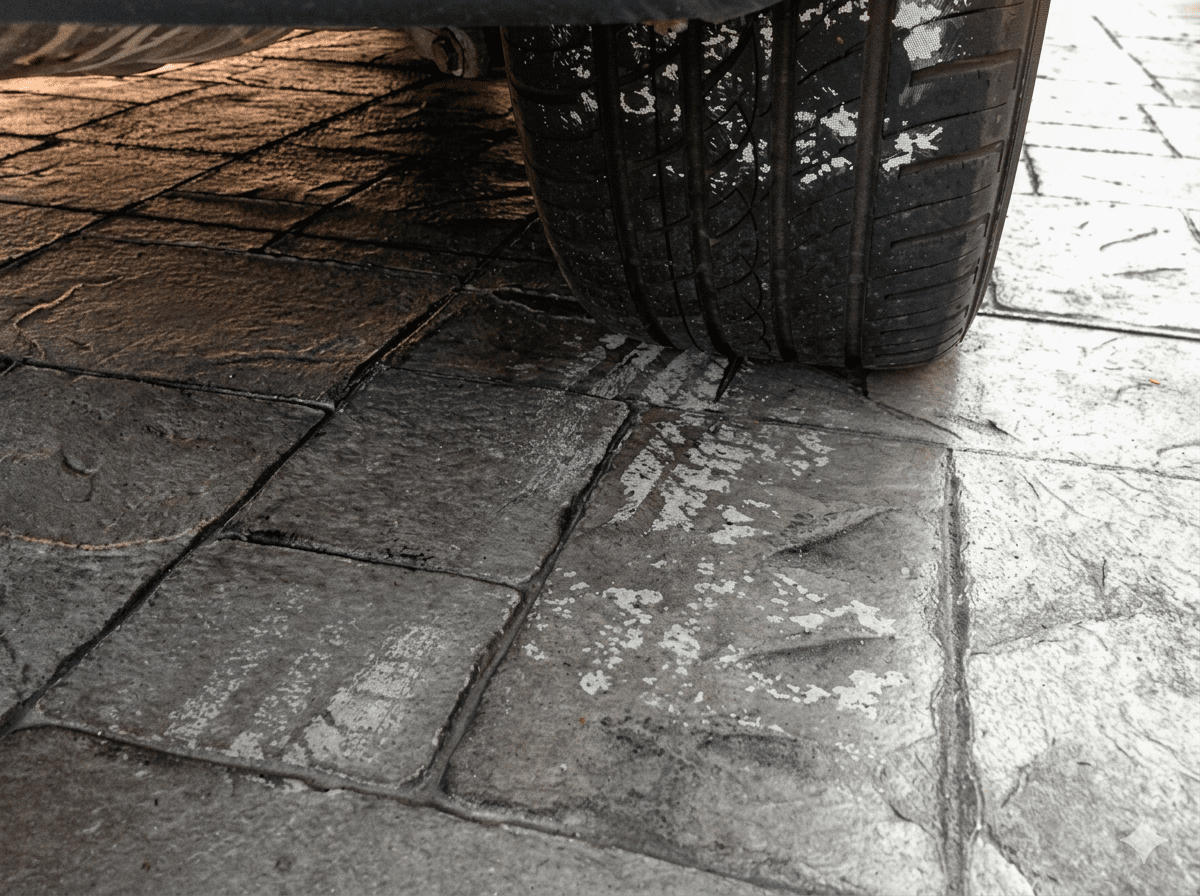
Alt text: tire-related coating failure on Bradenton FL garage floor caused by heat and weak adhesion
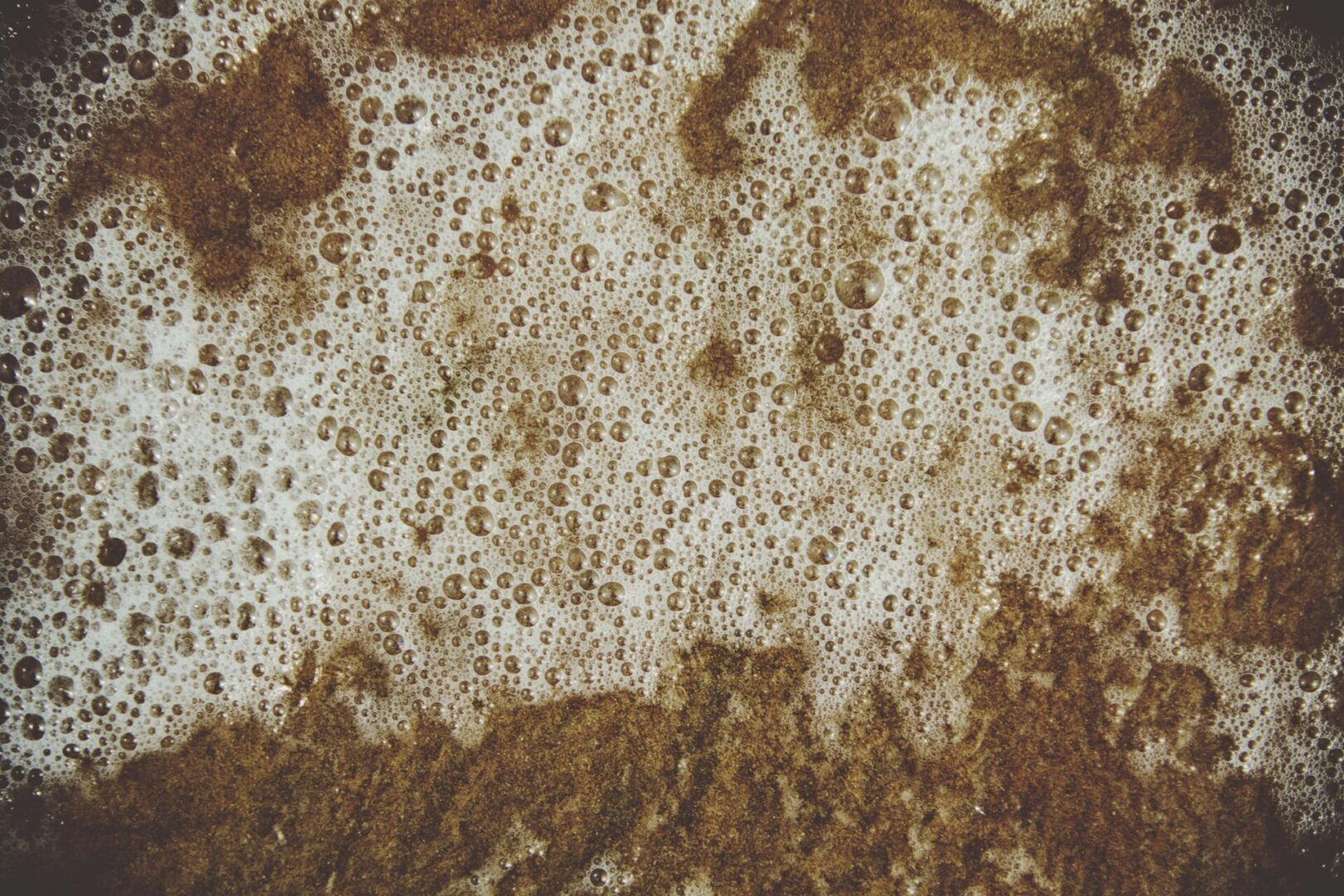
Alt text: concrete coating delamination in Sarasota garage caused by moisture vapor and poor surface preparation
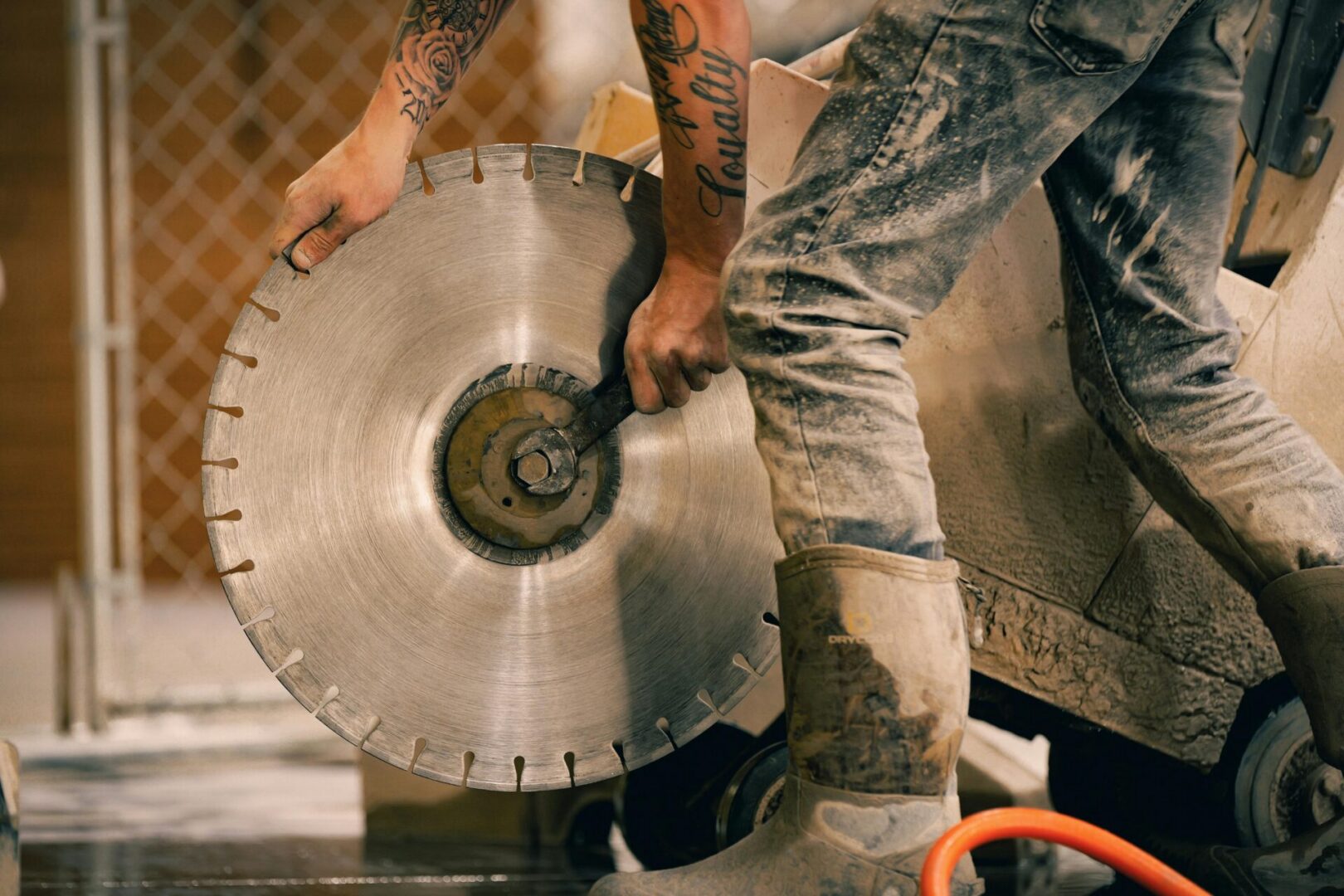
Alt text: U Plus Me diamond grinding concrete garage floor before high-performance polyaspartic coating installation in Florida
Alt text: finished decorative polyaspartic garage floor coating in Bradenton FL designed for humidity UV and hot tires

Related Services for Florida Garage and Concrete Protection
Internal linking matters here because this article connects directly to the broader concrete coating ecosystem: garage floors, resurfacing, decorative finishes, and full garage upgrades.
For homeowners who want a durable, UV-stable, fast-curing garage surface built for Gulf Coast conditions.
A helpful comparison for deciding whether a basic epoxy system or premium coating stack makes sense.
Explore complete coating options for Bradenton, Sarasota, Lakewood Ranch, and Manatee County garages.
Learn how decorative systems improve concrete appearance, durability, and long-term usability.
For worn, stained, cracked, or aging concrete that needs restoration instead of simple coating.
Combine flooring, visual upgrades, storage, and long-term concrete protection into one garage transformation.
Frequently Asked Questions
What causes hot-tire pickup on garage floors?
It happens when heated vehicle tires soften or grip a weak coating and pull it away from the concrete. Poor preparation, thin epoxy, moisture vapor, and Florida heat increase the risk.
Why is this problem so common in Bradenton and Sarasota garages?
Gulf Coast garages face direct sun, high humidity, hot pavement, coastal moisture, and rainy-season slab movement. Coatings that might survive in controlled climates can fail quickly here if the system is not designed for local conditions.
Are DIY epoxy garage floor kits a bad idea in Florida?
They are high risk for many Florida garages because they usually rely on simplified prep, thinner coatings, and lower heat resistance. Some may look good initially, but tire paths, yellowing, peeling, or bubbling often appear later.
Can a peeling garage floor be fixed?
Yes, but the failed coating must be evaluated first. Many floors require removal, diamond grinding, crack repair, moisture-aware preparation, and a stronger replacement system.
Is polyaspartic always better than epoxy?
Polyaspartic systems often perform better in Florida because they offer UV stability, faster cure times, and strong heat resistance. However, preparation still determines performance. Even premium materials can fail if installed over a poorly prepared slab.
How long should a professional garage floor coating last in Florida?
Lifespan depends on slab condition, surface preparation, coating chemistry, moisture exposure, maintenance, and vehicle traffic. A properly installed high-performance system should significantly outlast cheap epoxy kits or thin cosmetic coatings.
Protect Your Garage Before You Pay for the Same Floor Twice
If your garage floor is peeling, bubbling, yellowing, or lifting under vehicle tires, the issue will usually spread in Florida humidity. U Plus Me can inspect the slab, explain why the current system failed, and recommend a coating solution designed for Bradenton, Sarasota, Lakewood Ranch, Venice, Parrish, and surrounding Gulf Coast communities.
Stop hiding a garage floor that makes your home look unfinished. Restore the concrete, protect your investment, and get a floor that is built for Florida conditions.