
Discover Why Polyaspartic Floors Cure Faster Than Epoxy in Bradenton, FL
For busy Florida homeowners, cure speed is not just a technical detail. It determines how long vehicles stay in the driveway, how soon storage can return to the garage, and how much risk the installation faces from Gulf Coast humidity, afternoon storms, and direct sun exposure.
Quick Answer: Why Do Polyaspartic Garage Systems Cure Faster?
Polyaspartic garage coatings cure faster because their aliphatic chemistry creates rapid molecular cross-linking. In practical terms, that means the material hardens quickly, bonds aggressively when the concrete is prepared correctly, and can often return a residential garage to use much sooner than a traditional epoxy schedule.
For Bradenton homeowners, the advantage is practical. A garage may be the main family entry, a storage space for hurricane supplies, a workshop, or the only place to keep multiple vehicles protected from direct sun. Waiting several days can disrupt daily routines, especially for households in newer Lakewood Ranch communities where garages often hold cars, golf carts, bikes, tools, and seasonal storage.
Many professional systems can allow foot traffic within hours and vehicle use in about 24 hours, depending on slab and jobsite conditions.
The shorter cure period helps reduce vulnerability to airborne moisture, dust, debris, and sudden Gulf Coast weather changes.
Families with multiple vehicles, tools, storage racks, and daily garage access benefit from reduced downtime.
Premium systems can also improve UV stability, hot-tire resistance, abrasion performance, and long-term concrete protection.
Many Bradenton homeowners contact us after learning that a conventional epoxy installation may keep their garage out of service longer than expected. In Gulf Coast homes, cure speed matters because humidity, heat, and daily vehicle needs are real jobsite constraints, not abstract product claims.
Michael McIntire, Owner & Lead Concrete Coating Specialist, U Plus Me LLCThe Chemistry Behind Faster Cure Times
The cure process is not simply “drying.” It is a chemical reaction that turns liquid materials into a hardened protective surface. Epoxy systems usually cure through slower polymerization. Polyaspartic systems use faster-reacting aliphatic chemistry that can build hardness and service strength more quickly.
This difference is especially important in Florida garages where slab temperature, moisture vapor, ambient humidity, and afternoon rain patterns can change quickly. A coating that stays open and vulnerable too long has more time to be affected by airborne contaminants, condensation, surface moisture, or temperature swings.
Polyaspartic vs. Epoxy Cure Timeline for Bradenton Garages
The exact timeline depends on product specifications, slab condition, humidity, temperature, and installer guidance. However, this comparison shows why many homeowners prefer rapid return-to-service coatings when they cannot afford several days of garage downtime.
| Performance Stage | Polyaspartic System | Traditional Epoxy System | Why It Matters Locally |
|---|---|---|---|
| Initial cure | Often within hours | Often 12-24+ hours | Less exposure to humid air and jobsite contamination |
| Foot traffic | Same-day potential | Next day or longer | Useful for families who enter through the garage |
| Vehicle traffic | Often about 24 hours | Commonly several days | Important for multi-vehicle households and HOA communities |
| UV stability | Excellent with aliphatic systems | Can amber or discolor | Relevant for garages with doors open in direct sunlight |
| Humidity sensitivity | Lower when installed correctly | More condition-sensitive | Critical during Gulf Coast summer and storm season |
Rapid return-to-service coating
- Concrete prep and grinding
- Crack/detail repair
- Basecoat and decorative broadcast
- Protective UV-stable topcoat
- Garage use restored quickly when conditions allow
Slower multi-day coating schedule
- Longer open cure window
- Greater disruption to vehicle storage
- More sensitivity to humidity swings
- Higher inconvenience for busy families
- Potential delay before normal garage use resumes
Why Gulf Coast Humidity Can Complicate Epoxy Installations
Bradenton, Sarasota, Longboat Key, Siesta Key, and nearby Manatee County homes deal with summer humidity, warm slabs, sudden afternoon storms, and moisture vapor movement through concrete. These factors can interfere with coatings when the surface is not properly prepared or when the material remains vulnerable too long during cure.
Common symptoms of poorly managed garage floor installations include peeling, bubbling, cloudy finishes, soft areas, discoloration, and delamination. In many cases, the failure is not caused by one factor alone. It is a combination of weak concrete profiling, skipped moisture awareness, rushed application, and materials that are not appropriate for local exposure.
Concrete constantly releases vapor. If the slab is ignored, pressure can contribute to bubbling or separation.
Garages that face west or stay open during the day need UV-stable concrete coatings that resist ambering.
Vehicles returning from sun-heated roads can place concentrated thermal and mechanical stress on weak systems.
Humidity spikes and storm patterns can disrupt slower cure schedules and increase installation risk.
Florida reality: A garage floor can fail even when the coating material is good if the concrete was not mechanically prepared, the slab condition was not evaluated, or the installer applied the system outside a realistic jobsite window.
Local Use Cases: Bradenton, Lakewood Ranch, Sarasota, Venice, and Parrish
Fast return-to-service matters because local homeowners use their garages heavily. In Bradenton and Manatee County, many garages function as daily entry points, project spaces, storage zones, and protected parking for vehicles that sit in intense Florida sun.
Many homes have multiple vehicles, golf carts, bikes, sports gear, and storage systems. A shorter project window makes the upgrade easier to schedule.
Homeowners often want the garage restored quickly so vehicles, tools, and hurricane supplies do not remain displaced for several days.
Salt-influenced air, sand abrasion, humidity, and open garage doors make UV-stable and moisture-aware systems more important.
Growing residential communities often need durable high-performance garage flooring that handles daily vehicle traffic and seasonal heat cycles.
Why Many Contractors Still Install Epoxy — and Why Some Floors Fail
Epoxy is familiar, widely available, and often used in lower-cost garage floor bids. It can still have applications in certain settings. The problem is that many Florida homeowners are not simply buying a coating product. They are buying a system that must perform under heat, humidity, UV exposure, tire friction, and daily use.
Many failed garage floors that homeowners ask contractors to replace share the same pattern: the slab was not properly ground, existing contamination was not removed, cracks were not treated, the coating stack was too thin, or the installer did not adapt the system to local conditions.
| Installation Factor | Shortcut Approach | U Plus Me Standard |
|---|---|---|
| Surface preparation | Light sanding, cleaning, or acid etching | Mechanical diamond grinding for a stronger concrete profile |
| Moisture awareness | No discussion of vapor symptoms or slab history | Garage-specific evaluation before system selection |
| System selection | Generic product used for every garage | Coating strategy matched to use, exposure, and slab condition |
| UV exposure | Non-UV-stable finish near open garage doors | UV-stable concrete coatings for Florida sun exposure |
| Failed coating replacement | Coat over the problem | Remove weak material, prepare the slab, and rebuild correctly |
Get Your Garage Back Faster — Without Gambling on a Weak Installation
Your garage should not be out of service for days longer than expected. U Plus Me helps Bradenton-area homeowners reduce downtime, protect concrete, avoid preventable coating failures, and upgrade to a cleaner, brighter, more durable garage surface.
Schedule a free on-site garage floor evaluation before choosing a coating system.
How U Plus Me Reduces Installation Risk
A fast-curing material only performs when the full process is controlled. U Plus Me focuses on the slab first, then the coating stack, then the homeowner’s real use of the garage.
We review concrete condition, previous coatings, cracks, oil contamination, tire paths, moisture symptoms, and sun exposure before recommending a system.
Grinding opens the concrete surface, removes weak layers, and creates the profile needed for dependable adhesion.
Visible weak points are addressed before the coating system is applied so the finished floor has a stronger foundation.
Direct-sun garages, multi-vehicle households, coastal homes, and failed floor replacements may require different coating strategies.
The finished surface is designed for daily vehicle traffic, easier cleaning, improved appearance, and long-term concrete protection.
Visual Content
Here are some projects to show you!
Alt text: epoxy vs polyaspartic garage floor curing timeline for Bradenton Florida homeowners
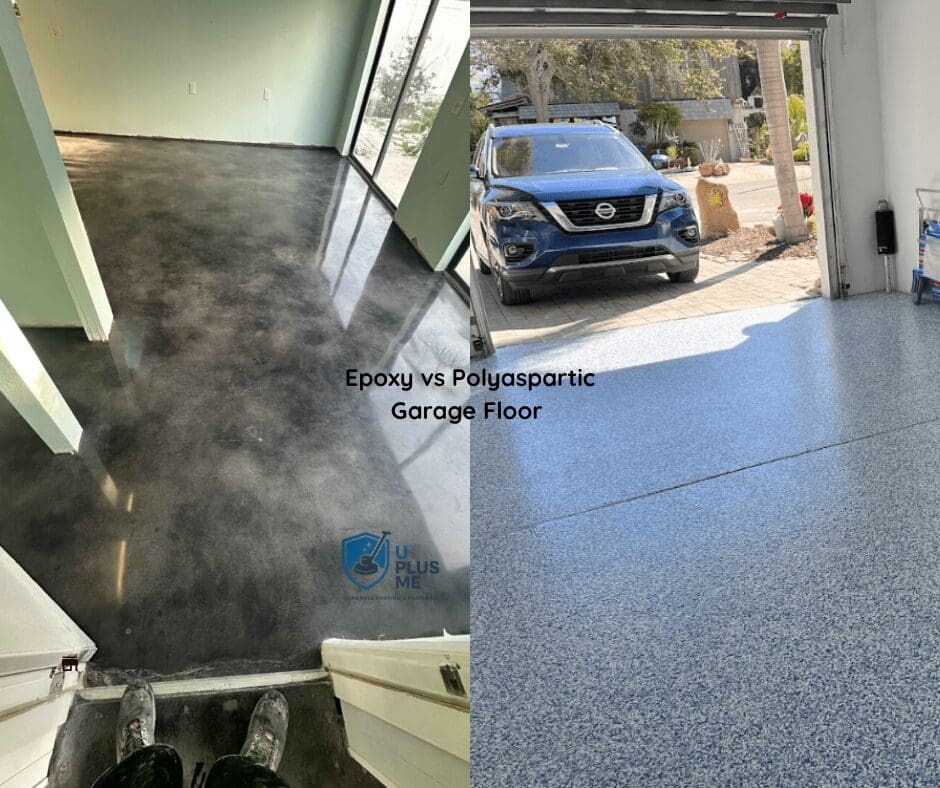
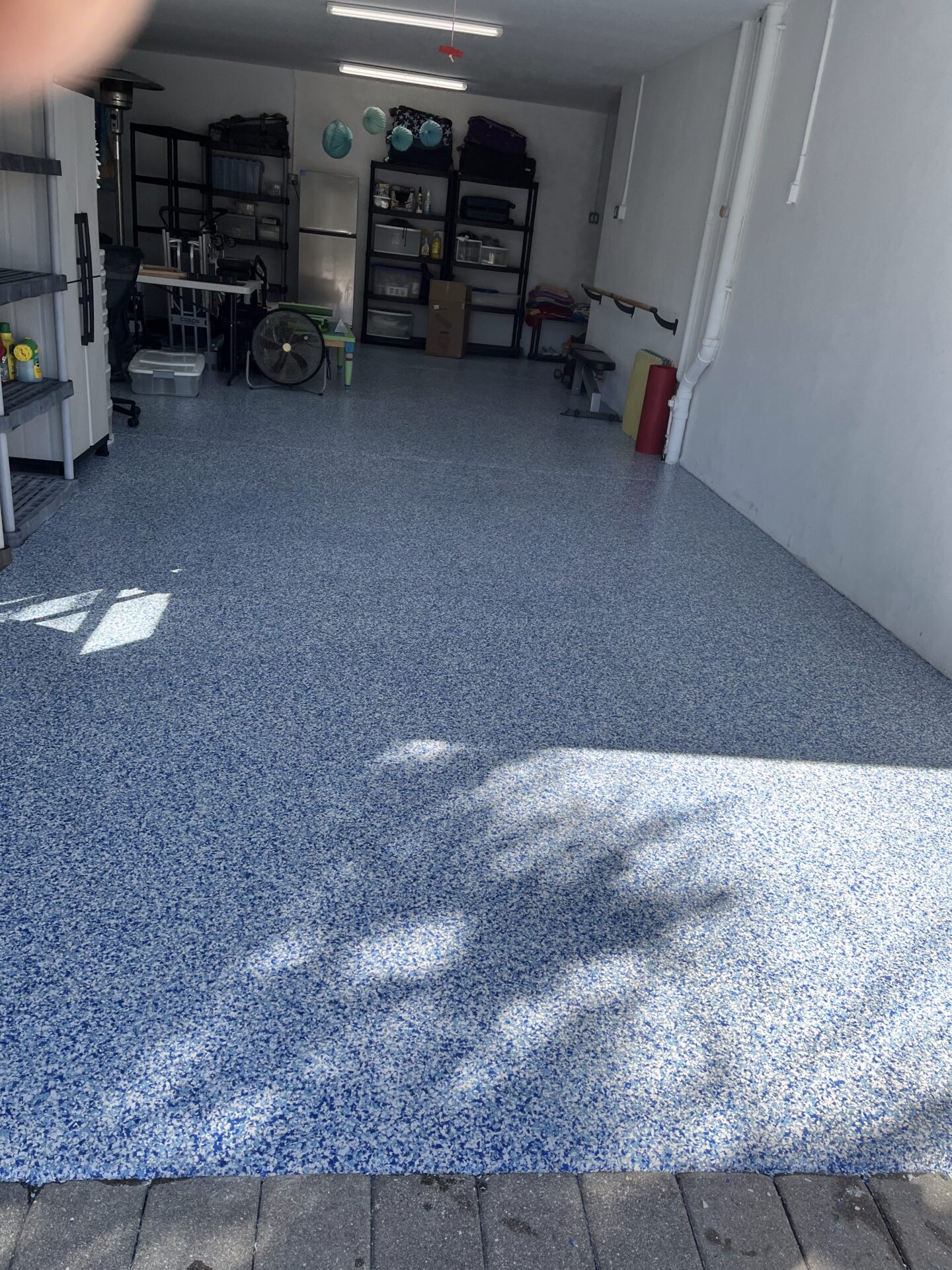
Alt text: rapid return to service garage floor coating in Bradenton FL ready for vehicle use after installation
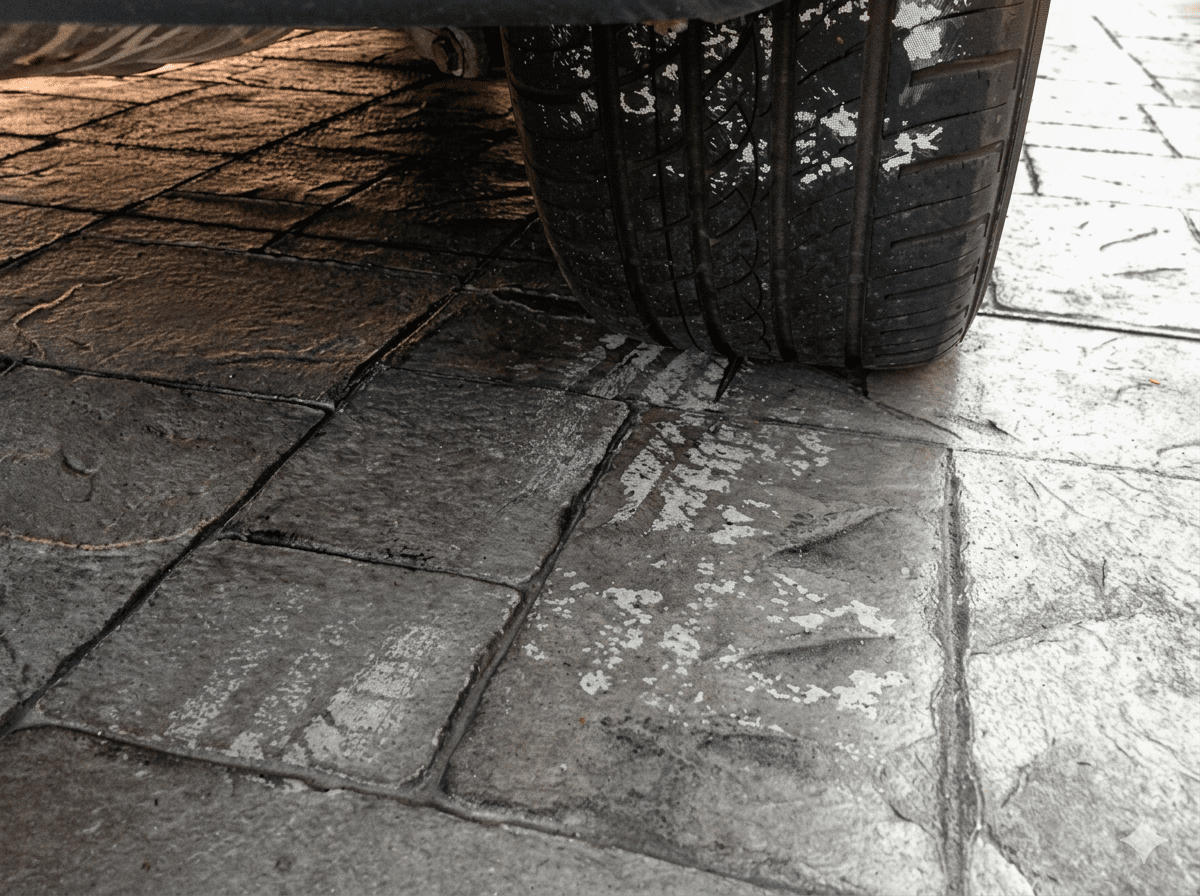
Alt text: hot tire resistant garage floor coating system for Florida homes exposed to summer heat
Alt text: decorative flake garage floor finish for Lakewood Ranch home with UV stable concrete coating

Related U Plus Me Resources for Garage Floor Research
Fast cure time is part of a larger garage floor performance cluster. These related resources help homeowners compare materials, understand failure causes, and choose the right concrete protection system.
Compare cure time, UV stability, hot-tire performance, maintenance, and long-term value.
Learn how long premium systems can last in Florida and what shortens coating life.
Understand why heated tires can damage weak coatings and how better systems help prevent it.
Review how vapor pressure, poor prep, and humidity can lead to bubbling or delamination.
Explore decorative coating options for garages, patios, walkways, and outdoor living areas.
See how damaged, stained, or aging concrete can be restored before a new coating system is installed.
Frequently Asked Questions
Why does a polyaspartic garage coating cure faster than epoxy?
It uses faster-reacting aliphatic chemistry that cross-links quickly. Epoxy generally needs a longer cure window and is often more sensitive to humidity, temperature, and surface conditions.
How soon can I park on a new garage floor?
Many professional polyaspartic systems can allow vehicle traffic in about 24 hours, depending on the coating system, slab condition, humidity, temperature, and installer guidance.
Is a faster cure always better?
Faster cure is valuable, but it must be managed by an experienced installer. Surface preparation, timing, mixing, film build, and environmental conditions still determine long-term performance.
Why do some garage coatings peel in Florida?
Peeling is often linked to poor surface preparation, unresolved moisture vapor movement, contamination, weak concrete, thin coating layers, or materials that are not suited for hot, humid garage conditions.
Can U Plus Me replace a failed epoxy garage floor?
Yes. U Plus Me evaluates failed coatings, peeling, bubbling, tire marks, cracks, previous coatings, and moisture-related symptoms to determine the right repair or replacement strategy.
Are fast-curing systems worth it for Bradenton homes?
For many homeowners, yes. They reduce garage downtime, improve UV stability, resist hot-tire stress, and provide a durable finish when installed over properly prepared concrete.
Recover Your Garage Faster and Protect Your Concrete Longer
A professional garage floor upgrade should make life easier, not create days of avoidable disruption. U Plus Me helps homeowners throughout Bradenton, Sarasota, Lakewood Ranch, Venice, Parrish, Palmetto, and Manatee County choose fast-curing, durable systems built for Gulf Coast conditions.
Protect your home investment, reduce installation risk, and enjoy a cleaner garage without waiting longer than necessary.